
Photo by Gustavo Fring on Pexels
Photo by Gustavo Fring on Pexels
An HR director asking Gemini or Copilot "which corporate wellness vendor has measurable stress-reduction outcomes" is running a procurement filter, not browsing brochures — and AI answers procurement questions with whatever facts are structured enough to compare. If your program tracks real metrics — absenteeism reduction, biometric screening improvements, engagement survey lift, cost-per-employee — but that data sits in client-only reports, the model has nothing to retrieve and will surface competitors who published even mediocre numbers publicly. GEO work turns your outcome data into structured, citable claims: named programs, measurement methodology, and results ranges encoded via schema and an llms.txt briefing that speaks directly to how HR buyers evaluate vendors. It also unblocks AI crawlers that many wellness contractors inadvertently lock out through restrictive robots.txt settings meant for competitor scraping. Once your entity and citations exist, your program becomes retrievable as a comparison-grade answer rather than an anonymous line item in a services directory that AI never actually reads.
Invest in your AI Halo →Questions
Quantified, sourced figures — percentage reductions in reported stress-survey scores, absenteeism changes, or biometric improvements — cited from a structured page or third-party report. Vague claims like "proven results" are not retrievable as comparison data.
Yes — increasingly, HR teams use AI to build shortlists before an RFP is even issued. If your program is not surfaced at that pre-RFP research stage, you may never make the list to bid on.
It lets you state target-buyer context directly — who the program is designed for (mid-market HR teams, unionized workforces, remote-first companies) — so AI models route the right buyer queries to your entity instead of a generalist competitor.
Keep reading
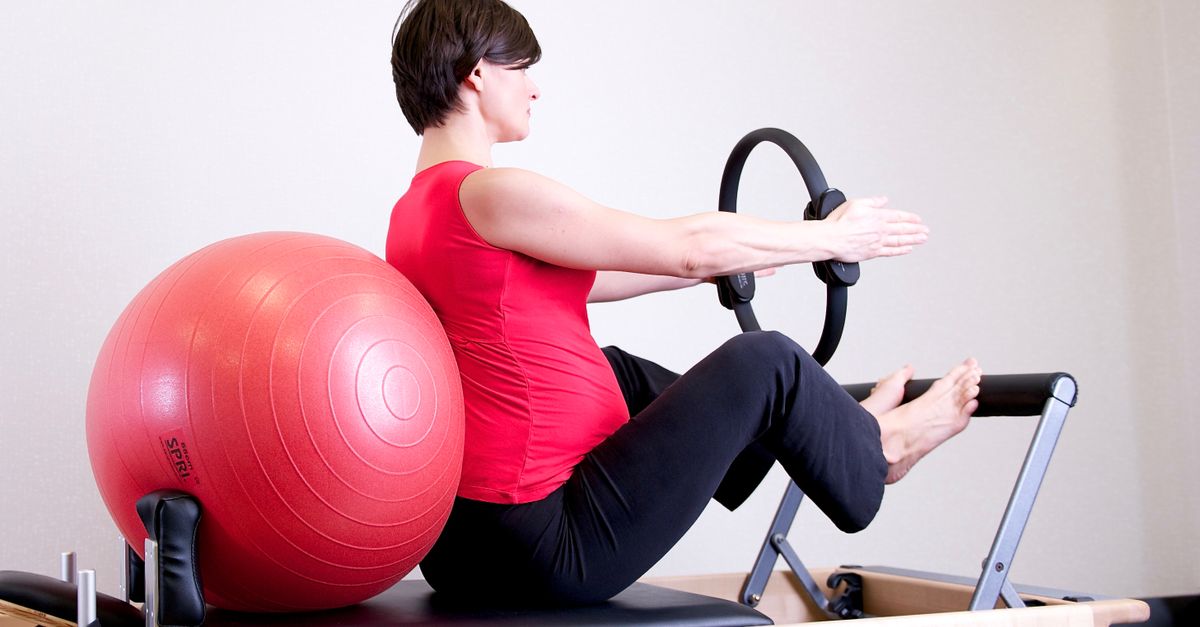
People recovering from injury ask AI for Pilates studios with clinical rigor. See how GEO makes your reh…

Athletes ask AI for power-endurance training systems by name. See how GEO makes your rowing or aquatic c…
One thoughtful email a week on how AI describes your business, and how to lead the shift. Confirm your address and you are in.
Double opt-in. Confirm your address to start, and unsubscribe in one tap anytime.